I advise companies, faculty, inventors, and founders on the agreements and rights that shape how science moves forward — from government research collaborations to IP ownership and commercialization.

Experience
15+ years in government, academia & private practice
The Work
Most research delays aren't scientific. They're contractual. I work at the intersection of law, science, and institutions to keep important work moving forward.
For complex government research collaborations involving multiple parties, institutional constraints, and terms that need to hold under real-world pressure. CRADAs, sponsored research, consortia agreements, and more.
See full scopeFor faculty, inventors, and founders facing ownership, institutional, and agreement issues that shape what they can build next. Universities have teams of attorneys. They don't work for the inventor. I do.
See full scope

The Approach
I didn't learn this work from the outside. I spent 15 years inside government agencies, university counsel offices, and private practice — seeing the same problems from every angle before starting CRADA Law.
I believe in the work researchers do, and I want their contributions to make it through the legal machinery intact.
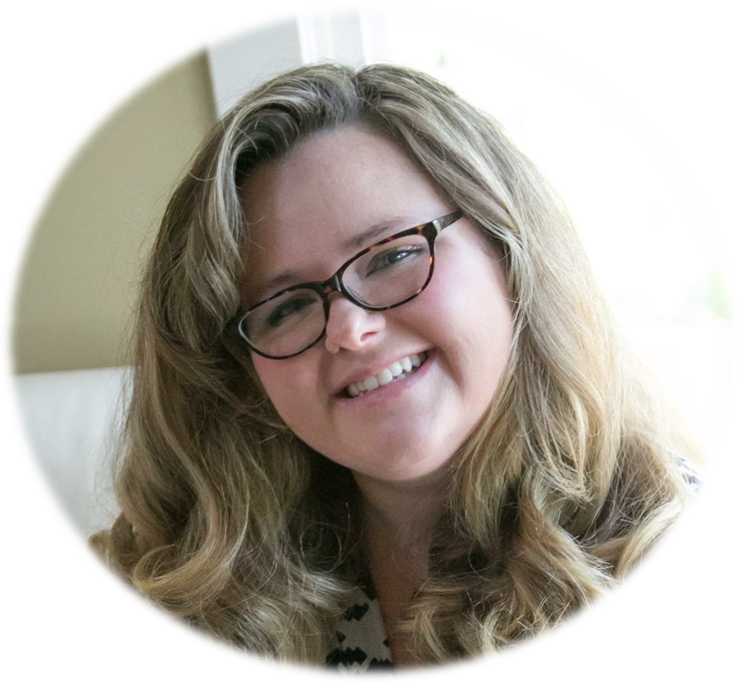
Sarah Hestad — Founder, CRADA Law
Where I Work
Most research delays are not scientific. They are contractual. I represent companies in complex government research collaborations where multiple parties, competing interests, and difficult terms all have to line up before the work can move forward.
You are building something valuable inside an institution with policies, templates, and committees. Universities have teams of attorneys. They do not work for the inventor. I do.
Common Questions
This question comes up constantly. University involvement may be triggered by institutional policy, appointment terms, use of facilities or personnel, background rights, or prior agreements. Sometimes the university’s claim is stronger than the inventor expects. Sometimes it is weaker. The point is to sort the facts early and understand options before positions harden.
These agreements are not just administrative paperwork. They shape control, future flexibility, economic viability, diligence obligations, and the long-term value of the technology. If a company may be built around the asset, the license becomes one of the core documents shaping what that company can and cannot do.
That instinct is often right. Consulting and sponsored research agreements routinely reach further than they need to, especially around assignment, option rights, improvements, background technology, and future work. Small drafting choices in these documents can quietly give away leverage that is very hard to recover later.
This is where old ambiguities stop being theoretical. Investors, partners, and acquirers want a clean story about ownership, institutional claims, government rights, and the documents behind them. If those issues were never sorted properly on the front end, diligence is usually when they surface in the most painful way.
Start a Conversation
If you have a research, ownership, or commercialization matter, describe it briefly below. I will follow up to assess whether I can assist.
Or email directly: sarah@cradalaw.com
Founder, CRADA Law — Sarah Hestad Law, PLLC
I founded CRADA Law after spending 15 years working on research and intellectual property agreements from inside government, academia, and private practice. That perspective lets me see what’s missing, what’s misaligned, and what can stall a deal, hopefully before it does.
At the Department of Veterans Affairs, I drafted and negotiated hundreds of CRADAs, license agreements, and multi-site research collaborations. At the University of Arizona, I was Associate General Counsel, representing the institution in sponsored research, intellectual property, and licensing matters.
I began my career at a top-tier international law firm and later spent several years in private practice as a patent attorney. I worked with scientists, engineers, and physicians to translate their ideas into protected assets.
I believe in the work researchers do, and I want their contributions to make it through the legal machinery intact.